

Our Personal Stories

Lisa’s Story
In May 2010, my life changed forever when my husband, Frank, was diagnosed with glioblastoma, the most aggressive form of brain cancer. As a physician, I understood the reality of his prognosis and knew he would likely be gone within two years. As a mother, I worried about how our two sons would grow up without their father.
Learning to navigate this new reality brought many challenges. Cognitively, I understood the medical facts, but emotionally, I had to come to terms with the certainty that I would become a widow. Reaching that acceptance allowed me to move forward, be present for my family, and create lasting memories during the time we had left together.
Throughout our journey, I often wondered how patients and families without medical knowledge managed to navigate such a complex healthcare system. This became especially apparent near the end of Frank’s life, when additional treatments continued to be offered despite knowing they would not improve his condition and would likely diminish his quality of life. Pursuing further treatment would have taken away precious time we could spend together as a family. By advocating for Frank, I was able to help him have the best death possible, a decision that still brings me peace today.
Using what I learned—both personally and professionally—to help others navigate serious illness and end-of-life decisions has given meaning to Frank’s death. It is a privilege to take the lessons from one of the darkest and most painful periods of my life and use them to provide comfort, guidance, and hope to others.
This is why I am dedicated to Let’s Talk Death. My goal is to educate and empower individuals and families to make informed decisions, engage in meaningful conversations, and find support through grief and loss.
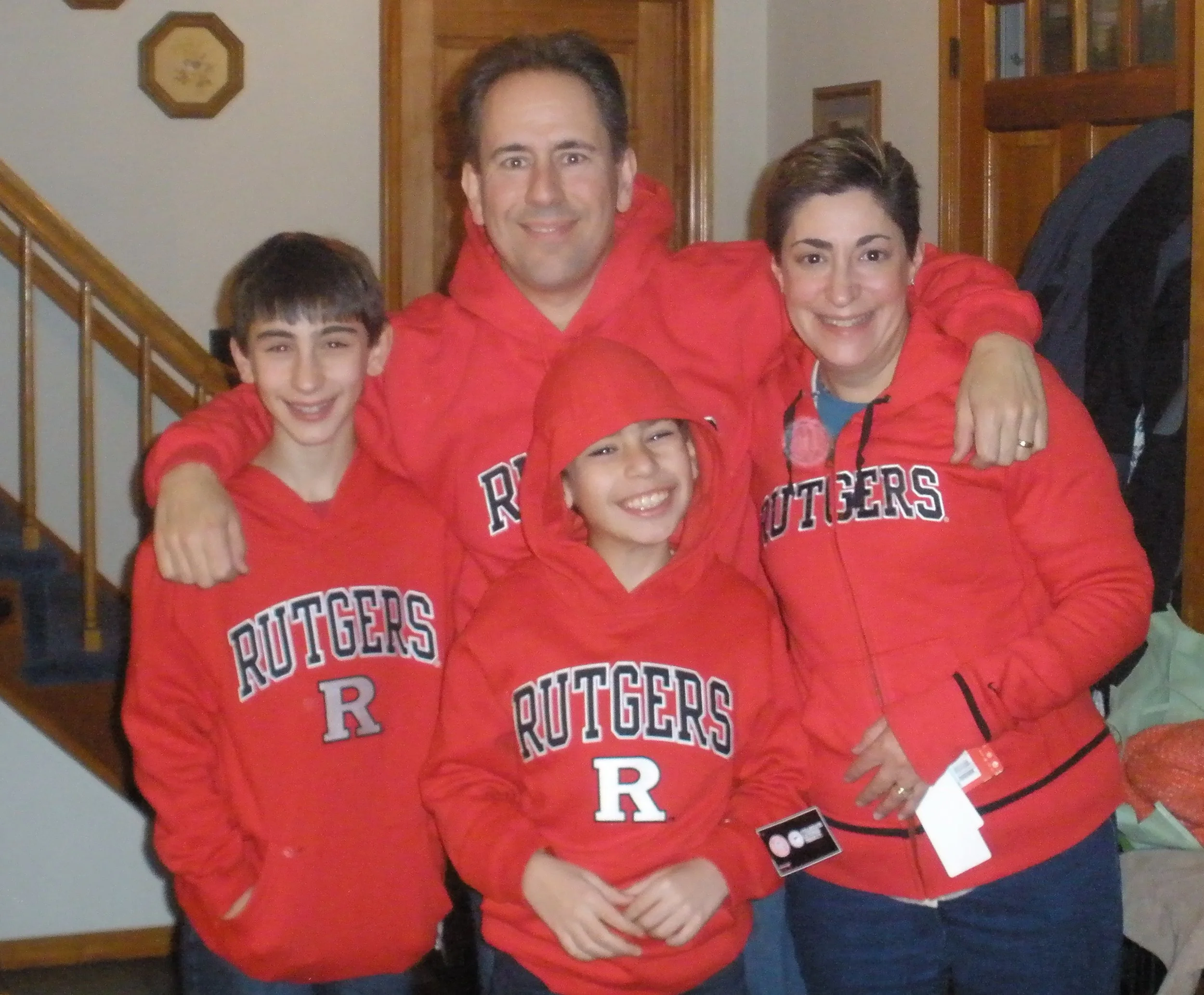
Before Diagnosis December 2009
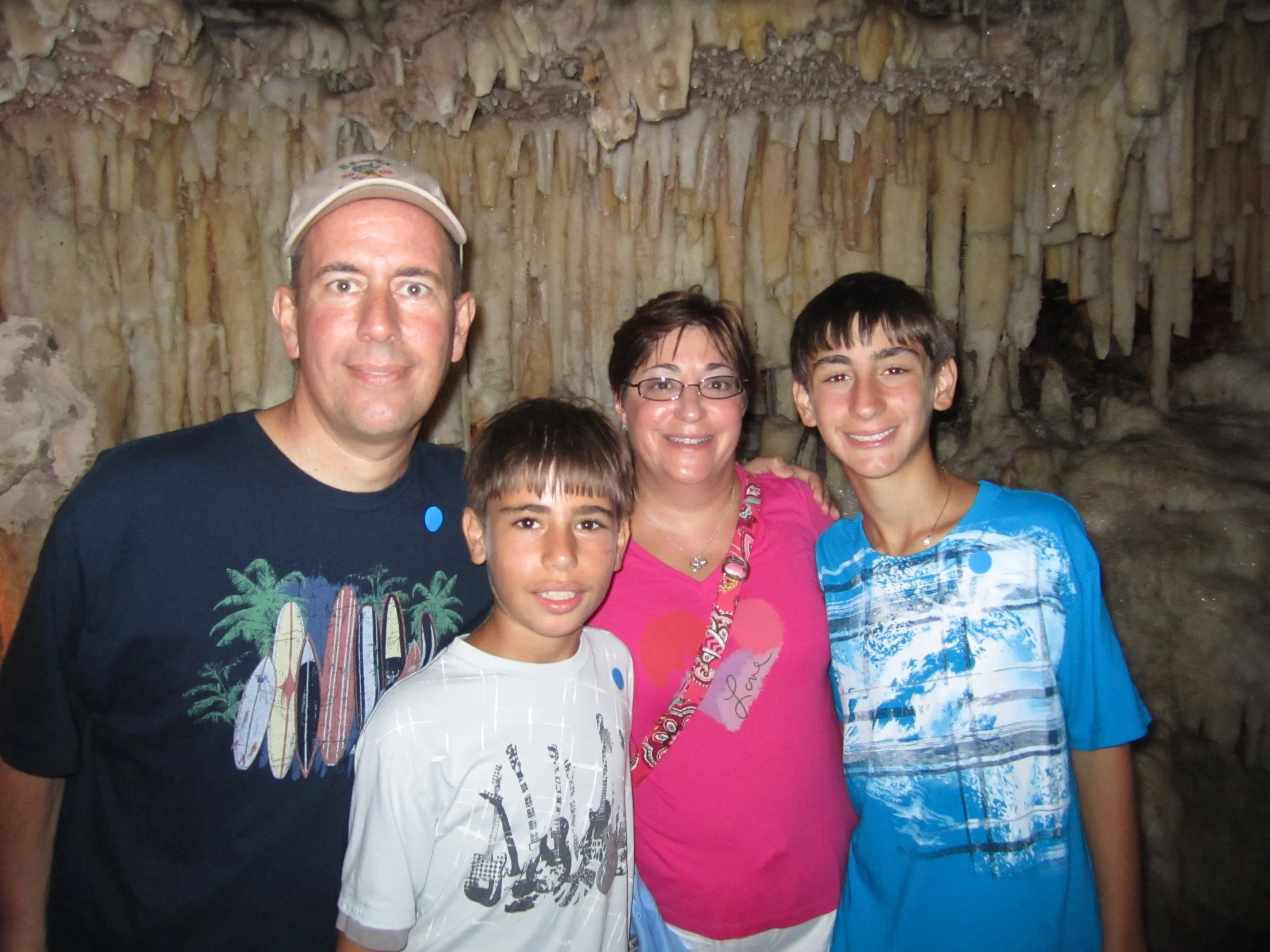
After Diagnosis August 2011
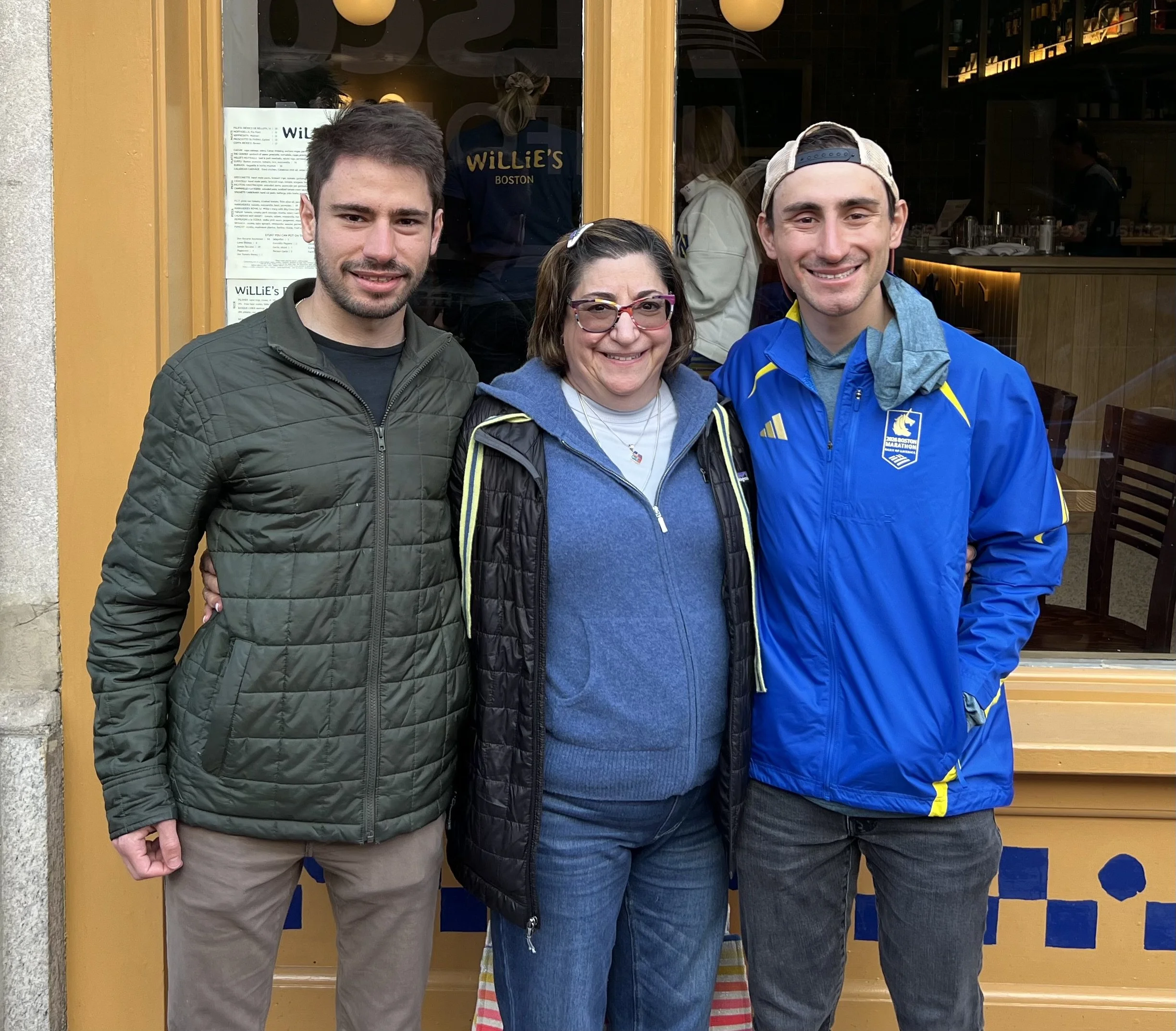
Celebrating Life April 2026
“The way through the sadness and grief that comes with great loss, is to use it as motivation and to generate a deeper sense of purpose.” Dali Lama from The Book of Joy

Barbara’s Story
My journey to founding Let's Talk Death began with two of the most difficult experiences of my life—losing my father and, later, caring for my mother through the final stages of Alzheimer's disease.
When my father died, he had left no instructions. My sisters and I were grieving the loss of someone we loved while also caring for our mother, who was living with severe Alzheimer's disease. In the midst of our grief, we were suddenly responsible for planning his funeral, managing his affairs, and making countless important decisions without any guidance. It was overwhelming, emotionally exhausting, and far more difficult than it needed to be.
A few years later, our family faced another heartbreaking decision. My mother's Alzheimer's had progressed to the point where she no longer had any quality of life. As a family, we knew she would never have wanted to continue living in that condition, and together we made the decision to transition her to palliative care.
Even though I worked in healthcare, I realized how little I truly understood about palliative care and what it meant for my mother and our family. I constantly questioned whether we were doing enough. I worried that we were somehow letting her die rather than caring for her. Instead of feeling supported, we often felt alone. While hospice provided valuable care, there were still significant gaps in education, guidance, and emotional support.
Those experiences opened my eyes to a reality I had never fully appreciated: there is a significant gap in our healthcare system when it comes to preparing individuals and families for the end of life. Too many people are left to navigate grief, difficult medical decisions, legal responsibilities, and uncertainty without the information or support they need. This lack of preparation creates unnecessary suffering at a time when families are already carrying so much.
That is why I co-founded Let's Talk Death.
My mission is to help people understand their end-of-life choices, encourage meaningful conversations before a crisis occurs, and empower individuals to create plans that reflect their wishes and values. Death is one of life's few certainties, yet it remains one of the least discussed topics.
By talking openly about death, planning ahead, and understanding our options, we can reduce fear, ease the burden on those we love, and create space for more compassionate, informed care.

Lori’s Story
I know what it means to be standing in a hospital room when everything changes — to be told that someone you love has a serious, life-threatening illness and feel the ground shift beneath you, as the future you envisioned for that person vanishes before your eyes. That initial loss is crushing and stays with you.
I know anticipatory grief, medical advocacy, and the weight of planning for an uncertain future — all while still showing up for work, managing daily life, and trying to hold everything together. I know what it costs to carry all of that privately.
I co-founded Let's Talk Death because the conversations we are most afraid to have are the ones that matter most. No one should face the hardest moments of life alone or in silence.
Whatever you are carrying — I am here. And so is a community of people who understand. Because connection is what carries us through.
Suzy’s Story
On Halloween 2004, my seven-year-old son Cary, endured a horrific burn accident when the sleeve of his costume ignited after getting too close to a candle. He spent two days on life support, endured painful skin grafts and became an unwitting “celebrity” in our town. In the ensuing years we learned a great deal about trauma, ambiguous loss & grief.
As a teen Cary struggled with PTSD, mental illness and a depression that was at times quite crippling.Though committed for many years to a path of wellness, he died in 2020 at the age of 22. As any family who has experienced the impact of mental illness on a loved one knows, feelings of loss and grief over who the person is, was and could be are deeply complex. Cary’s story is shared here: Remembering Cary.
Additionally, in 2019, my work partner and dear friend died by suicide.
Had a group such as Let’s Talk Death been available during these occurrences, it would have been enormously helpful. I’m here to share what I’ve learned and to help others navigate end-of-life feelings and concerns.
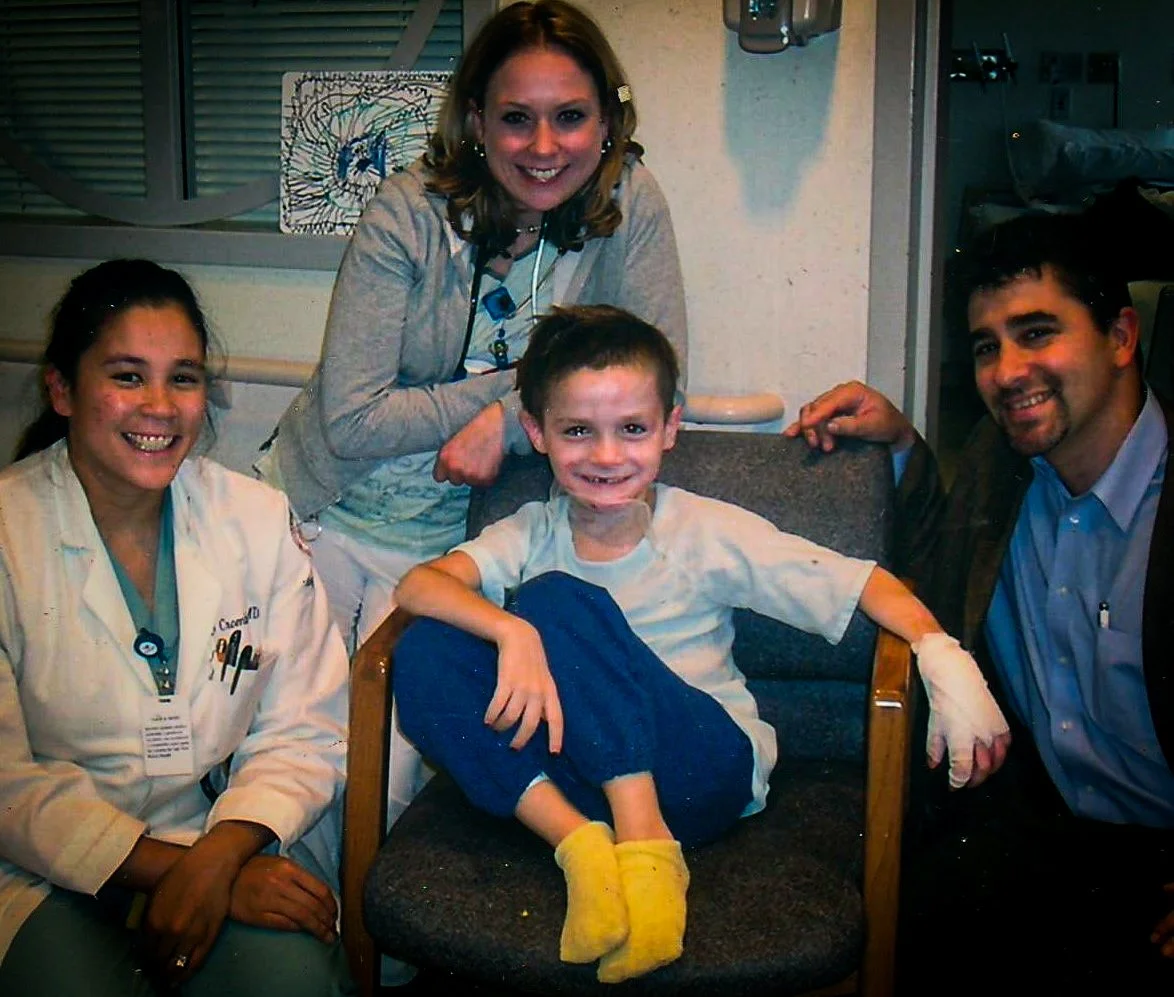
Cary and his medical team 2004
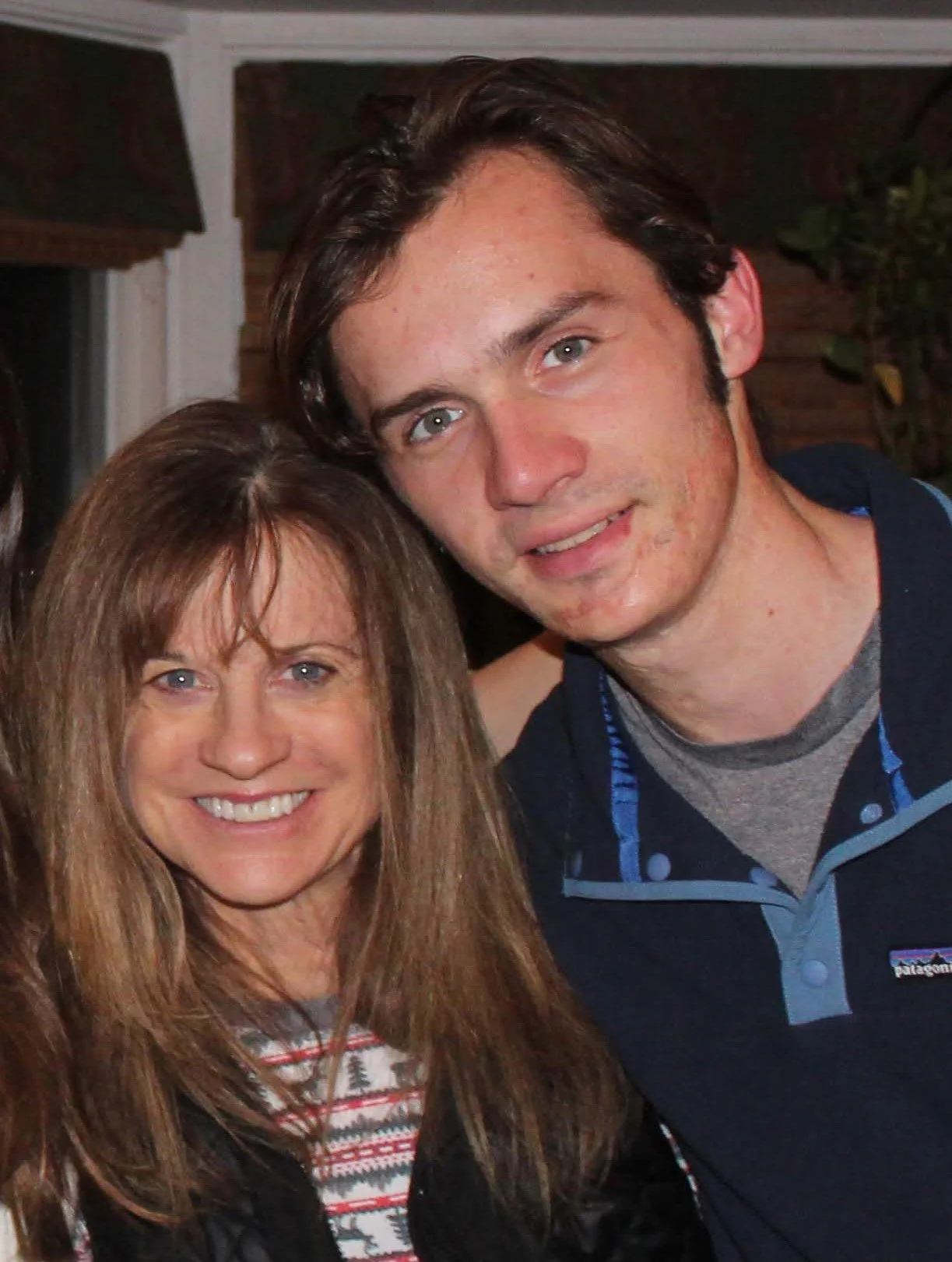
Cary 2019
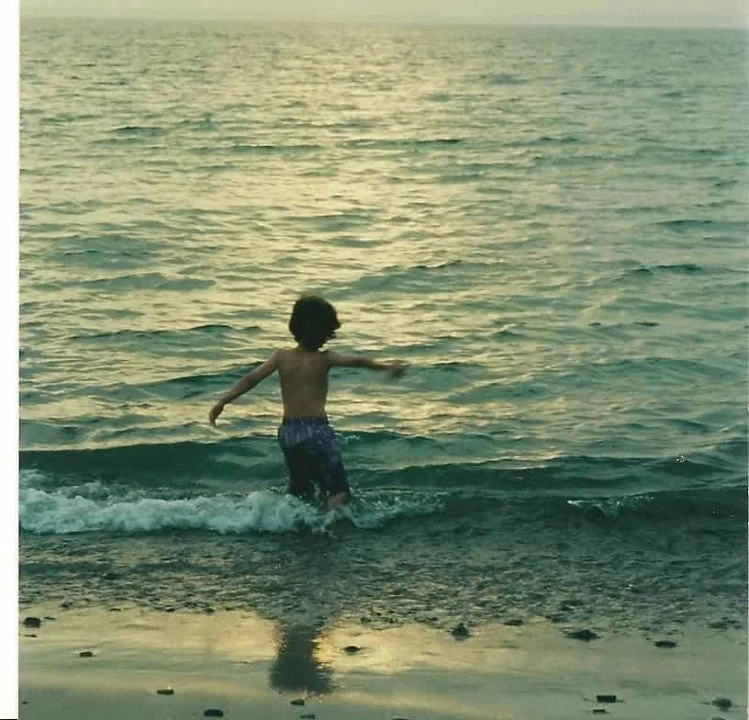
I wish I could be like a bird in the sky. How sweet it would be if I found I could fly. I ‘d soar to the sun and look down at the sea. Then I’d sing cause I’d know how it feels to be free.” -Nina Simone
Jen’s Story
My first profound experience with death was being at the bedside of my grandmother when she took her last breath. I remember being so grateful to have witnessed that moment and to have been there to support my mother. It was a peaceful death and one that I believed everyone should experience.
Some years later my father was diagnosed with a form of aggressive bladder cancer. As the social worker of the family, I assisted my mother as his condition declined. He died only 7 months after his diagnosis and just 12 weeks before my wedding. I was again present for his death, along with my mother and two of my five siblings. It was a quiet, peaceful end to a beautiful life.
3 years later, while caring for my firstborn and working full time, my mother was diagnosed with ALS. I took the lead in orchestrating her care, including live-in help, ordering medical supplies, attending support groups, arranging for hospice services, and more. As her health care proxy, I was her voice when she was trapped in her own deteriorating body and could not speak for herself. She also died only 7 months after her diagnosis but it was far from the peaceful experience I had with my grandmother and father. Her final weeks were unbearable and because of that, I became an active advocate for Medical Aid in Dying in Connecticut. I have testified before the state legislature more times than I can recall and you can read more about my mother’s journey and my passion for this issue in multiple public records, including this testimony from 2019.
I co-founded Let’s Talk Death because no one should face the end-of-life without the information, support, and resources they need. Expertise shouldn't be a luxury in a family's darkest hours. I do this work to ensure that every individual has the power to author their own final chapter, and that no family is left to navigate the quiet storms of grief and healthcare systems alone.